
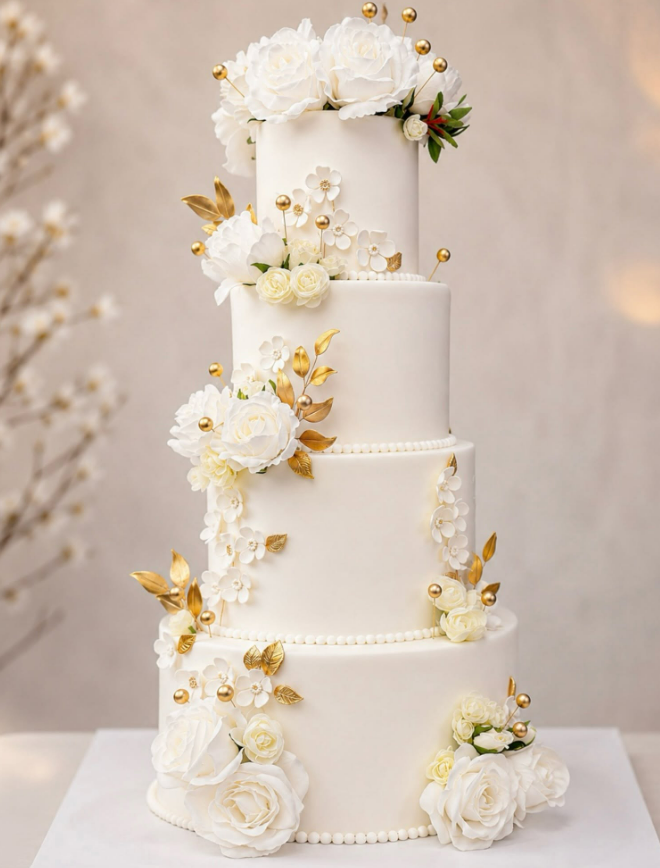
Your wedding cake can do more than just finish the meal. It can reflect your style and become a memorable part of the reception. Couples often start with inspiration photos, but a successful cake depends on more than its appearance.
Thoughtful planning and clear communication make the design process easier. When you craft the perfect wedding cake and make practical choices early, you give your bakery a solid foundation. That preparation helps turn a general idea into a cake that feels personal from the first look to the final slice.
Match Your Wedding Style
Before choosing flavors or decorations, consider the overall look of your wedding. Your venue and level of formality can guide the cake design. A formal ballroom reception may support a taller cake with refined details, while a garden celebration may call for a softer look.
Your cake does not need to match every decorative element in the room. Instead, choose a few visual cues that link it to the celebration. A pattern from your invitations or a floral detail from your centerpieces can create continuity without making the design feel overly coordinated.
Share those references with your cake designer early. Strong visual direction gives the designer a clear starting point while still leaving room for creative interpretation.
Set a Comfortable Budget
Cake size and decorative details can affect the final price, so discuss your budget at the outset. A clear budget range helps the bakery recommend options that align with your priorities without pushing the design in an unrealistic direction.
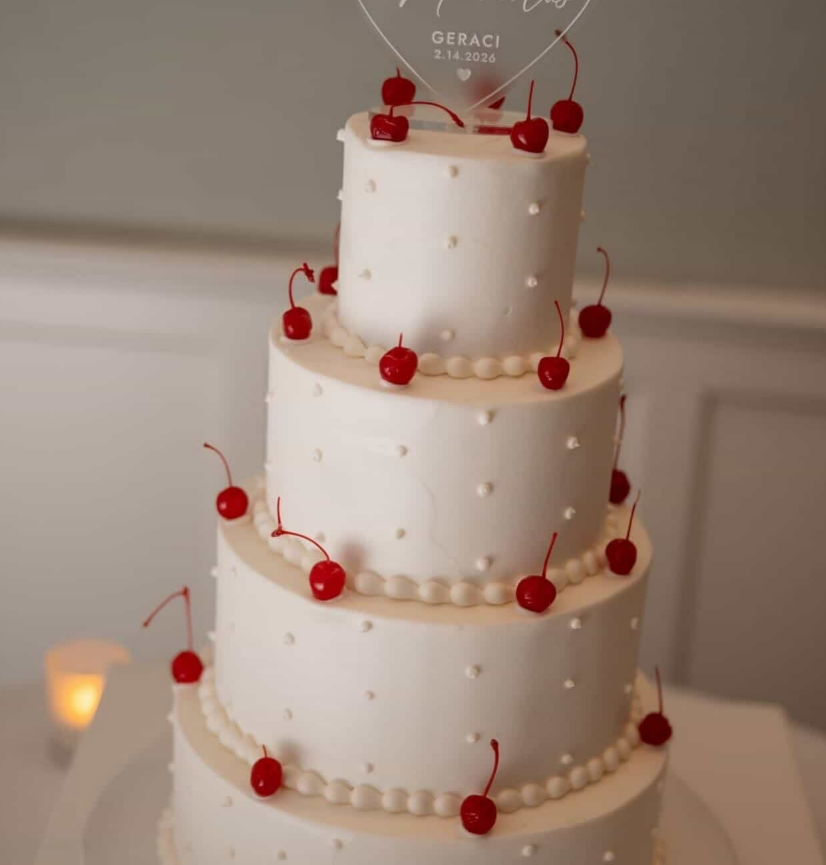
Decide which features deserve the most attention. If detailed sugar flowers are high on your wish list, you may want to simplify the surface design. If you prefer a dramatic tiered silhouette, cleaner decoration can keep the focus on the cake’s shape.
Budget conversations also help you compare ideas more confidently. You can make thoughtful trade-offs instead of falling in love with a design that does not fit your plans.
Choose the Right Size
Guest count gives you a useful starting point for cake size, but your serving plan can change your needs. Some couples want a slice for every guest, while others plan to serve additional desserts. Your bakery can recommend a serving size that fits your reception plans.
Consider visual scale as well. A cake that looks substantial in an intimate venue may appear smaller in a large ballroom. Your designer can adjust the tier dimensions or the display to create a stronger presence without adding more servings than you need.
Custom wedding cakes give couples room to balance serving needs with presentation. A thoughtful design can suit both the guest list and the setting without feeling too large.
Pick Flavors You Enjoy
Your wedding cake should taste like something you want to eat. Couples sometimes feel pressured to choose familiar flavors because they seem safe, but your preferences should guide the decision.
Start with flavors you already enjoy together. Then consider how the filling can complement the cake without making the combination feel too rich. Your bakery can help you choose pairings that suit the season and the overall feel of the reception.
If you want more variety, ask whether different tiers can offer distinct flavor combinations. This option can give guests more choice while letting you include favorites that both partners enjoy.
Design With the Season in Mind
The season can influence flavor as well as appearance. Warm-weather weddings may suit lighter flavors, while cooler celebrations can support richer combinations. Let the time of year inspire you without forcing the entire cake into a seasonal theme.
Flowers may also influence the design if your reception already includes a strong floral plan. Share those details with your bakery so the cake design complements the surrounding decor. Your cake designer can also explain whether sugar flowers would suit the look better than fresh blooms.
Outdoor receptions require extra planning because heat and humidity can affect the cake. Tell your bakery about the setting early so the team can recommend a finish suitable for the conditions.
Refine the Details
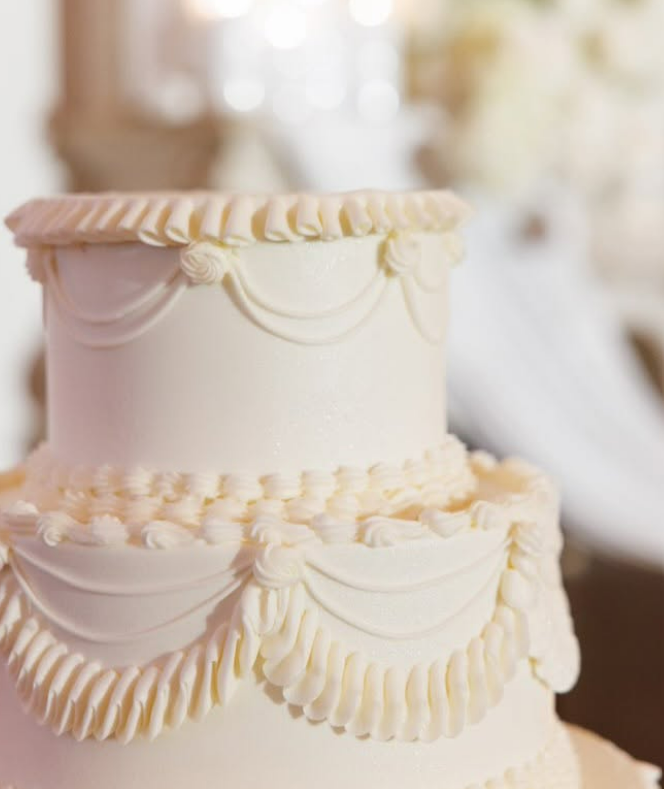
Once you establish the main direction, focus on the details that give the cake personality. Piping or floral work can create a romantic feel, while sculpted details can push the design toward a more artistic direction.
Choose decorations that support a single clear visual idea. Too many competing techniques can distract from the overall design. A restrained approach often yields a stronger result because each detail contributes to a cohesive look.
Ask your designer how the cake will look from across the reception space. Guests may notice its shape before they see the finer details, so the overall silhouette deserves careful attention.
Coordinate With the Venue
The cake table plays an important role in the presentation. Even a beautiful design can lose impact if the table sits in a crowded area or a poorly lit corner. Talk with your venue about where the cake will appear and how much room the display will have.
Consider the table height and nearby decor when you plan the setup. A simple background can help detailed cake work stand out. A larger floral display may pair better with a cake that uses cleaner decoration.
Share accurate delivery information with your bakery before the wedding day. Clear access instructions help the cake team reach the setup area and complete the display without unnecessary confusion.
Plan Your Timeline Early
Wedding cakes need thoughtful scheduling, especially during popular wedding seasons. Contact your preferred bakery early enough to discuss your date and general design goals.
You do not need to finalize every detail during the first conversation. Start with the venue and guest count. You can refine flavors and decoration as the rest of your wedding plans develop.
Keep the bakery updated when important details change. A larger guest count or a venue change can affect the original cake plan. Prompt communication gives the bakery time to adjust the design before production starts.
Trust the Creative Process
A strong wedding cake comes from collaboration. You bring your vision, while your bakery brings the technical knowledge needed to turn that vision into a workable design.
Stay open when your designer recommends an adjustment. Some ideas look beautiful in inspiration photos but may not fit your serving needs or venue conditions. A thoughtful change can preserve the character of the design while making the cake more practical.
Clear communication also gives your bakery better insight into your preferences. Explain what you love and mention any design choices you want to avoid.
Create a Cake That Feels Like You
Crafting the perfect wedding cake doesn’t follow one formula. It should feel connected to your celebration while giving you and your guests something delicious to enjoy.
When the big day arrives, the perfect custom wedding cake should feel like a natural part of the reception rather than an unrelated decoration. With a clear vision and thoughtful planning, you can create a wedding cake that feels personal and looks beautiful throughout the celebration.