
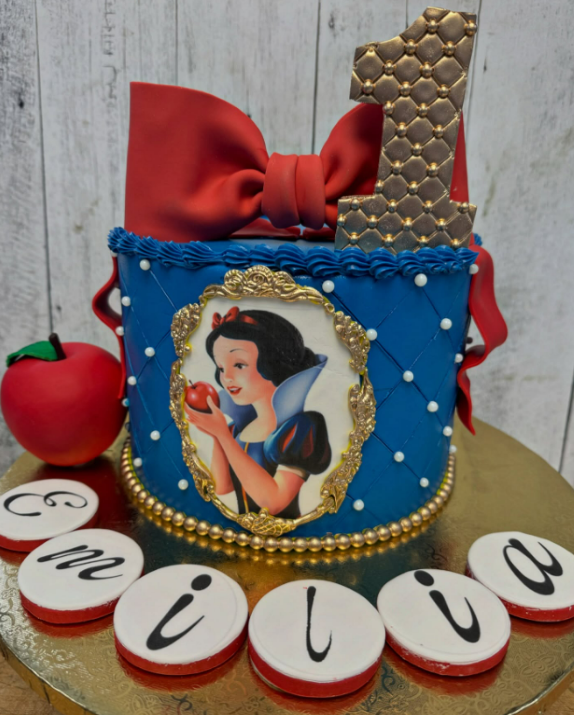
A princess-themed birthday party invites you to play with sparkle, color, and storybook magic. The cake often becomes the centerpiece, tying the celebration together, especially when its design reflects the birthday child’s favorite kind of princess. Some children dream of grand castles, while others love enchanted forests or glamorous royal balls. The strongest design starts with the child’s imagination.
You don’t need to cover every inch of the cake with crowns and glitter. A focused concept can feel far more magical than a crowded one. When each detail supports the same idea, the finished cake looks polished while still feeling playful. These tips will help you design the ultimate princess birthday cake.
Pick Their Favorite Princess
Before you choose frosting colors or decorations, think about what the birthday child loves most. They may adore flowing gowns and jeweled crowns. They may prefer adventurous princesses who explore new places and follow their own path.
Those interests can shape the whole design. A child who loves classic fairy tales may enjoy a castle-inspired cake, while a child drawn to nature might prefer flowers with delicate woodland touches. A custom birthday cake gives you the freedom to build around their personality instead of choosing a generic theme.
Pick a Clear Princess Style
Princess cakes can take many forms, so choosing one general style helps the design feel cohesive. A classic royal theme might center on a crown or castle silhouette. A fairy-tale garden can feature flowers with graceful greenery.
You can also lean into a ballroom-inspired look. Soft draping details and pearl-like accents can create an elegant effect without making the cake feel too formal. For a more adventurous style, stars or a winding enchanted path can suggest a larger story.
Avoid combining too many directions at once. A castle, carriage, garden, ballroom, and several crowns can start competing for attention. Choose the details that best support the child’s favorite version of a princess world.
Build a Magical Color Palette
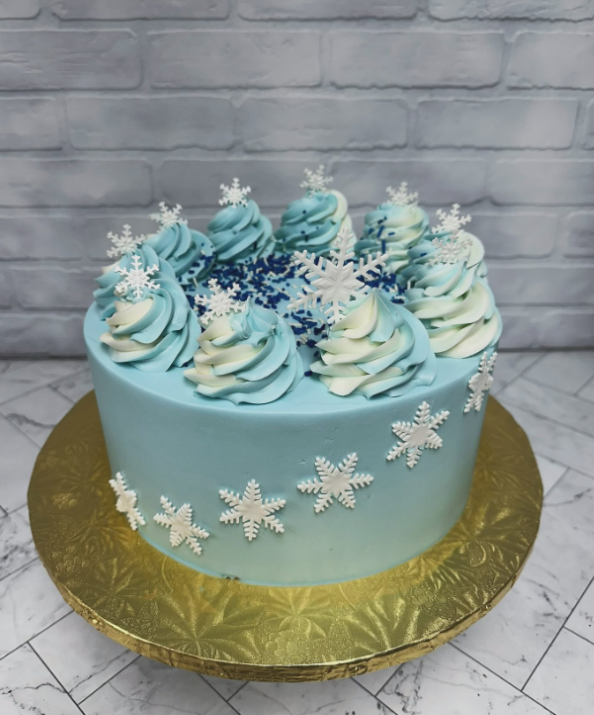
Pink will always feel at home on a princess cake, but it doesn’t have to control the whole design. Lavender creates a dreamy look, while pale blue can add a cool fairy-tale feeling. Cream or white can soften brighter shades and give decorative accents more room to shine.
Metallic touches can add a royal finish when you use them sparingly. Gold pairs beautifully with blush or lavender, while silver works well with blue. A little shimmer can make the cake feel special without turning every surface into a glittering focal point.
Look at the party decorations before choosing the final colors. The cake doesn’t need to match every balloon or plate. Repeating a key party color can create a natural connection.
Make the Crown Count
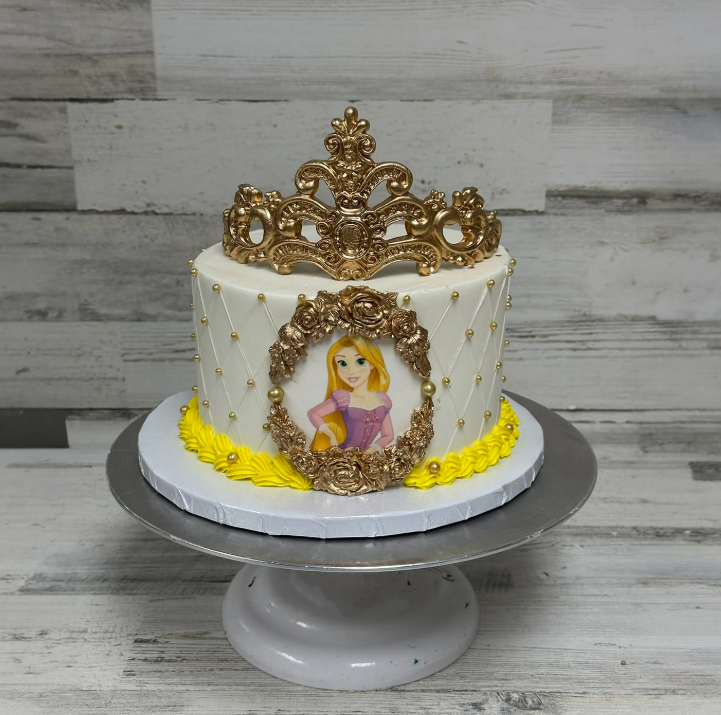
A crown gives guests an immediate royal cue. You can place one on top of the cake as the main feature or use a smaller crown as a side detail. The best size depends on the cake’s shape and overall scale.
A simple crown silhouette can look just as striking as an ornate topper. You can add jewel-like details or a personalized initial if the rest of the design stays relatively clean. Repeating a curve or decorative shape from the crown elsewhere on the cake can help the design feel connected.
Personalization can make the cake even more special. A name or age can tie the design directly to the birthday child. Keep those details easy to read so they don’t get lost among the decorations.
Add a Touch of Castle Magic
Castle details can turn a princess cake into a miniature storybook scene. Small towers can rise from the top, or a castle silhouette can wrap around one tier. A decorative doorway can also suggest a royal setting without requiring a fully sculpted castle.
Scale makes a big difference. Oversized architectural pieces can overpower a smaller cake, while tiny details may disappear on a tall design. Keep each piece proportional so the castle elements support the cake instead of taking over.
Use Texture for a Royal Finish
Texture can make a princess cake feel detailed without adding more objects. Soft ruffles can echo the look of a gown, while quilted patterns can suggest royal fabrics. Smooth frosting can balance those decorative areas and keep the cake from feeling too busy.
Piped borders can add another elegant touch. Curved lines or small scallops can bring gentle movement around a tier. Repeating one texture in a few places often creates a stronger design than using a different technique on every section.
Keep some playfulness in the final look. A princess cake should still feel exciting to a child. Elegant details work best when they support the fun instead of making the cake feel formal.
Choose a Flavor They Love
A beautiful cake still needs a flavor that makes the birthday child excited for the first slice. Chocolate can work just as well as vanilla with a delicate princess design. Fruit-forward fillings can also add contrast to sweet frosting.
Start with the birthday child’s preferences rather than choosing a flavor based on appearance. If they love chocolate, let the inside reflect that choice even if the outside features pale pink flowers. The flavor can feel personal without matching the cake’s colors.
Connect the Cake to the Party
The cake can help tie the dessert table into the rest of the celebration. A garden party may inspire floral details, while a palace theme can support a more structured cake design. Even the cake stand can reinforce the overall style.
Think about where you plan to display the cake. If you place it in front of a detailed backdrop, a cleaner design may photograph better. A simpler display area gives an elaborate cake more visual space.
Plan the Birthday Moment
Part of the fun comes from the birthday child’s first look at the cake. A favorite color or personalized topper can create an immediate reaction. The reveal feels more exciting when the design includes something they specifically asked for or love.
Think about how guests will gather around the cake for candles and photos. Place the strongest visual details toward the front so everyone can appreciate them. This approach also helps the cake look intentional in birthday pictures.
The cake can become more than dessert when you treat it as part of the celebration. It can connect the theme to the candle moment and help create one of the day’s most memorable scenes.
Create Their Storybook Centerpiece
The ultimate princess birthday cake doesn’t need every royal detail you can imagine. It needs a strong idea and a personal connection to the birthday child. When the design reflects their favorite colors or their version of a magical kingdom, the cake feels more meaningful.
Start with what excites them most, then let that idea guide each choice. Thoughtful colors and well-chosen decorations can bring the concept together without overwhelming it. The finished cake should feel joyful and completely suited to the celebration.
A great princess cake turns dessert into part of the party story. It gives guests something beautiful to admire while making the birthday child feel like the entire centerpiece belongs to them.